Interactive Pocket Parks explores how small-scale urban public spaces can be optimized through data-driven and interactive interventions.
The project investigates how sensing, physical design, and digital participation can work together to encourage longer dwell times and stronger community engagement in underutilized pocket parks. By combining on-site interaction with online simulation, the project proposes a replicable model for smart micro-renewal in dense urban environments.
Pocket parks play an important role in dense cities, yet many remain underused due to limited amenities, poor visibility, or lack of engagement.
Rather than approaching renewal as a purely spatial redesign, this project frames pocket parks as interactive systems—spaces that can sense, respond, and adapt to human presence over time.
The central question is:
How can data and interaction design inform small but meaningful urban interventions?
The project integrates three interconnected layers:
Physical Layer
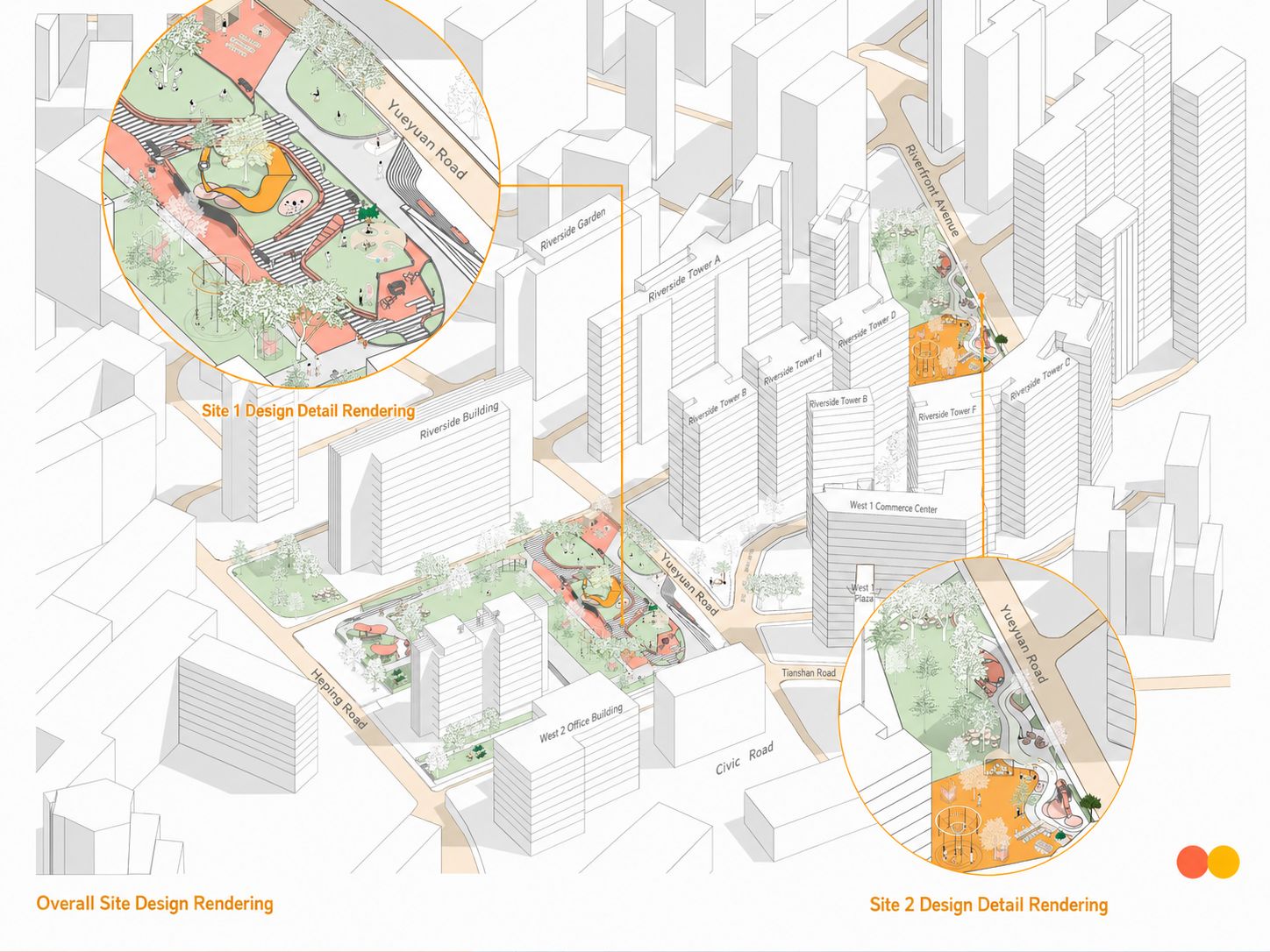
Modular street furniture was designed and fabricated using 3D printing. Benches were embedded with LED lighting and motion sensors to create visible, responsive feedback during both daytime and nighttime use.
Sensing & Data Layer
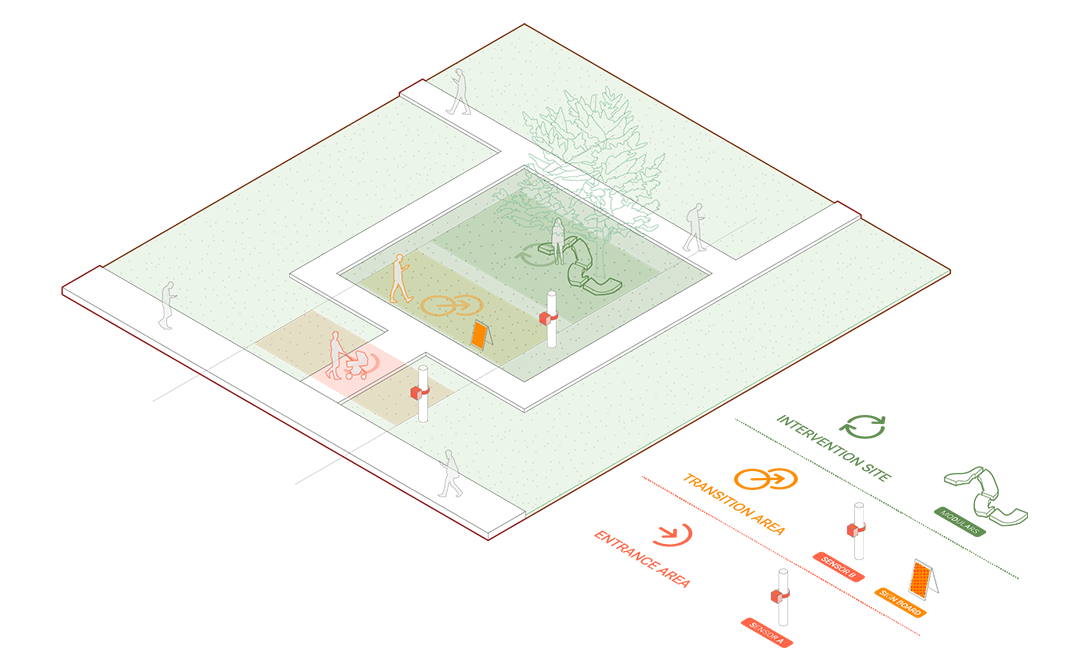
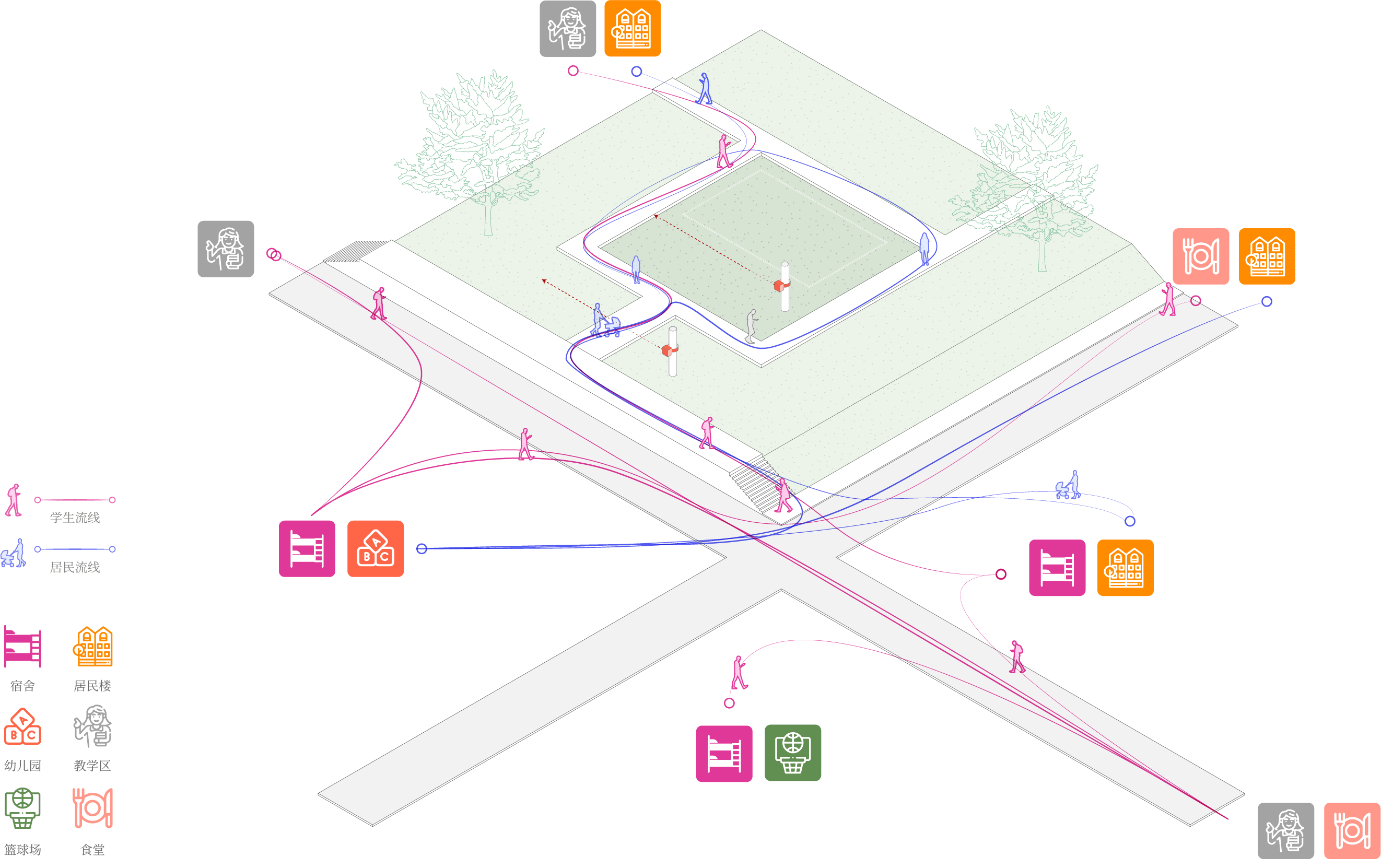
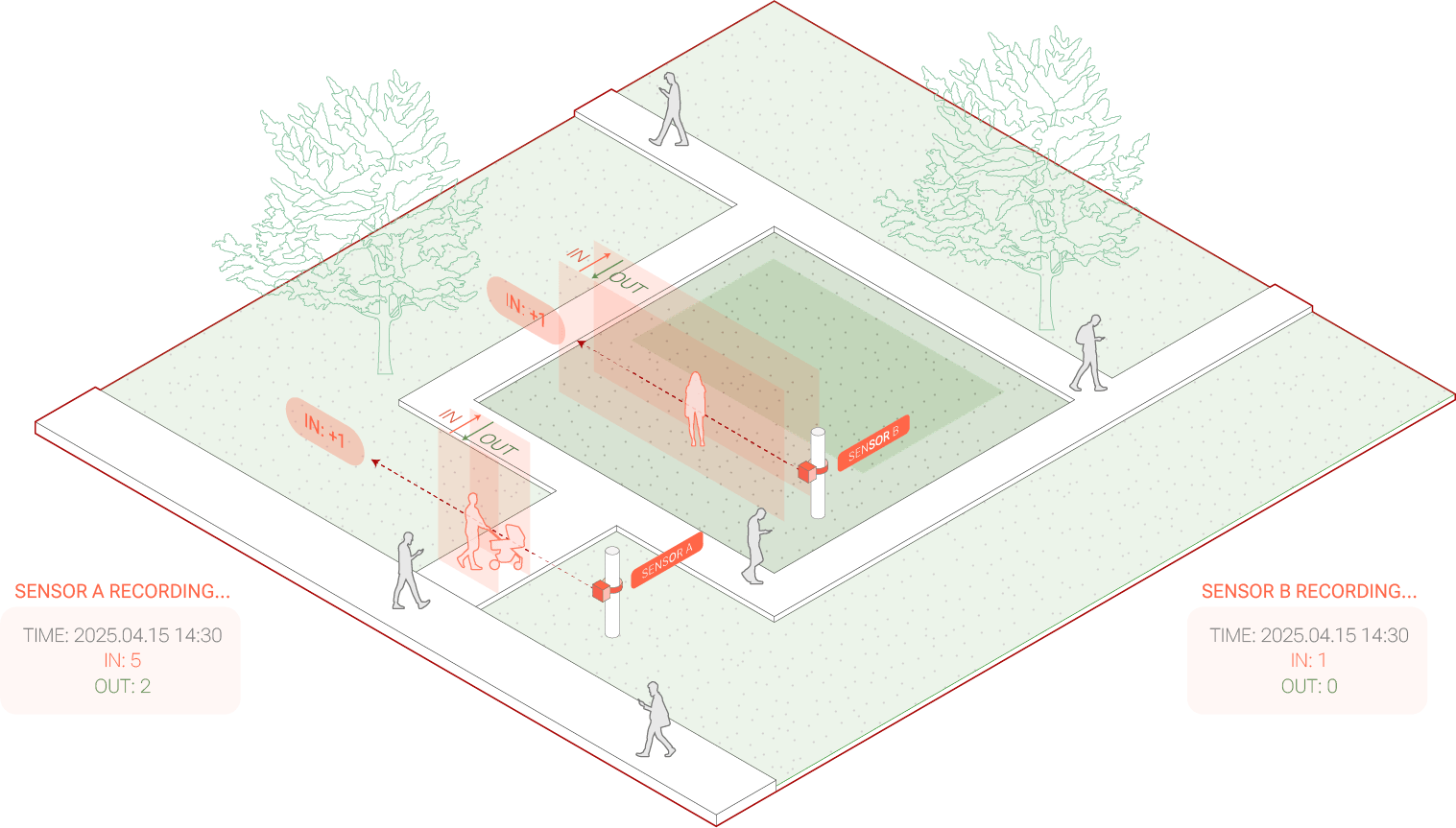
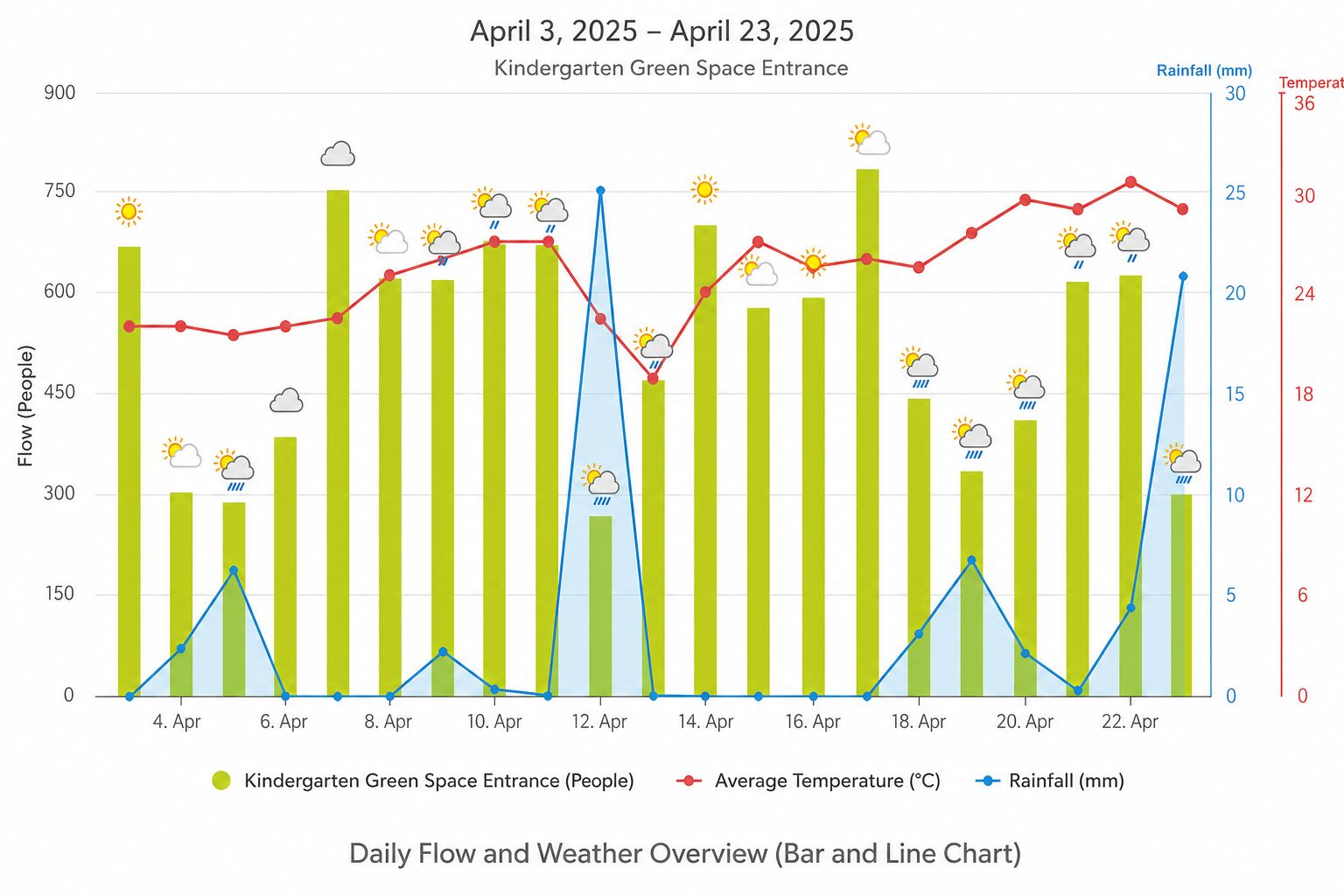
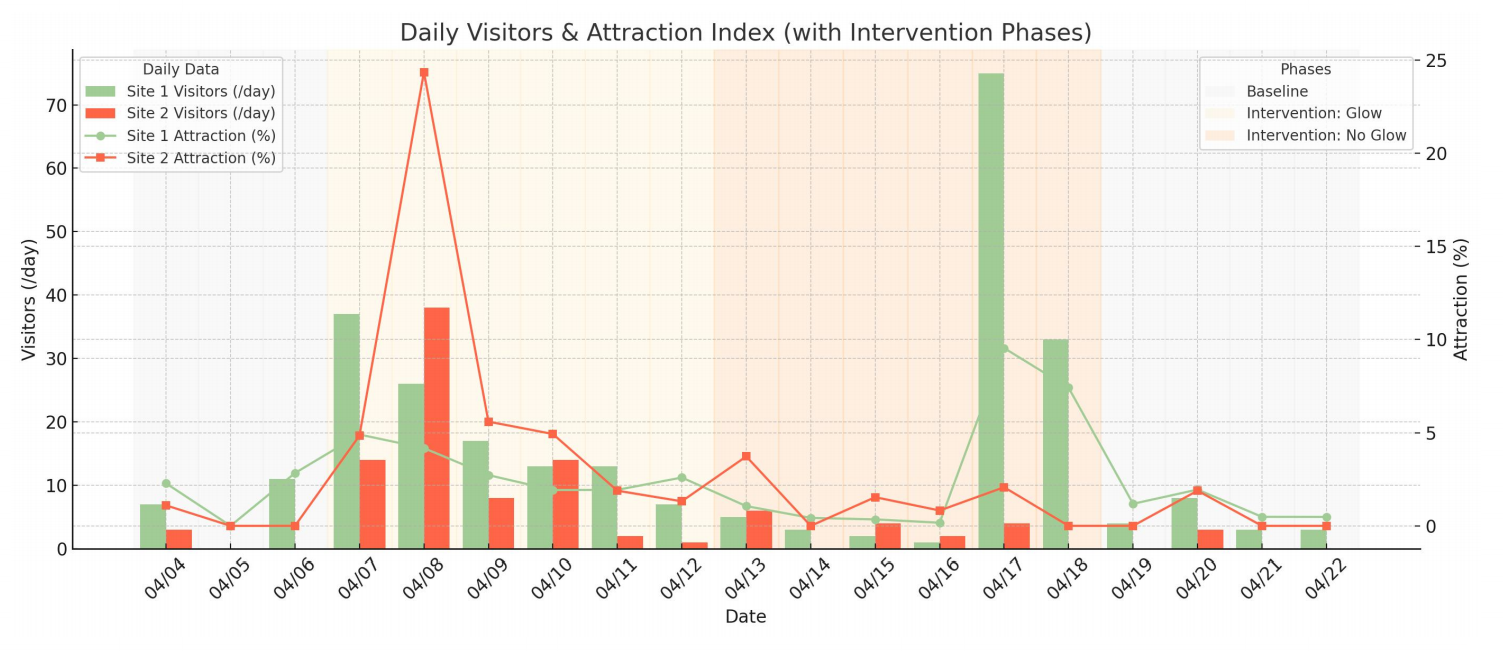
Infrared people counters (PYRO Evo) were deployed to collect pedestrian flow data. Data was processed and analyzed using Eco-Link and Eco-Visio software to identify usage patterns, peak hours, and dwell time variations.
Digital Participation Layer
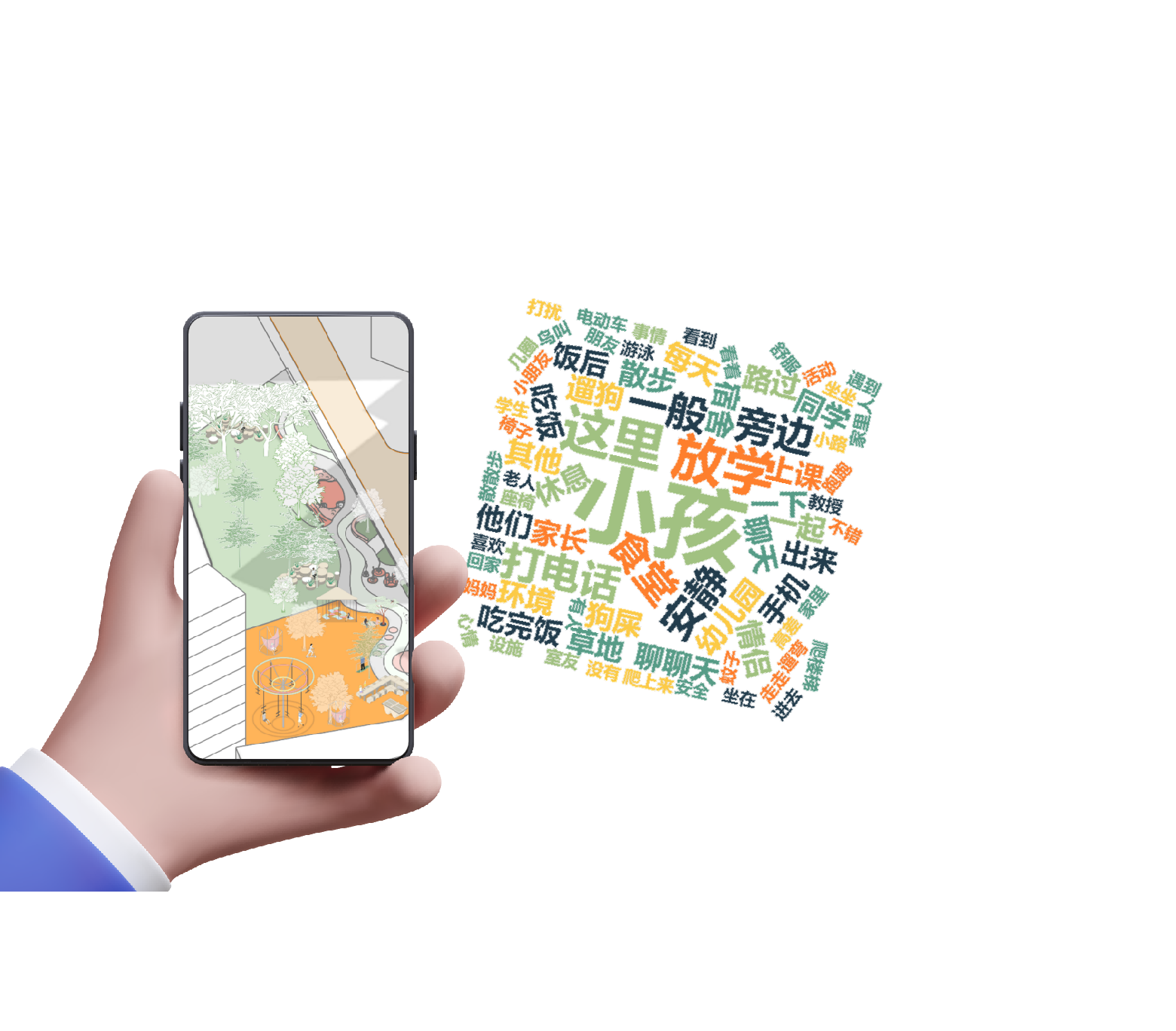
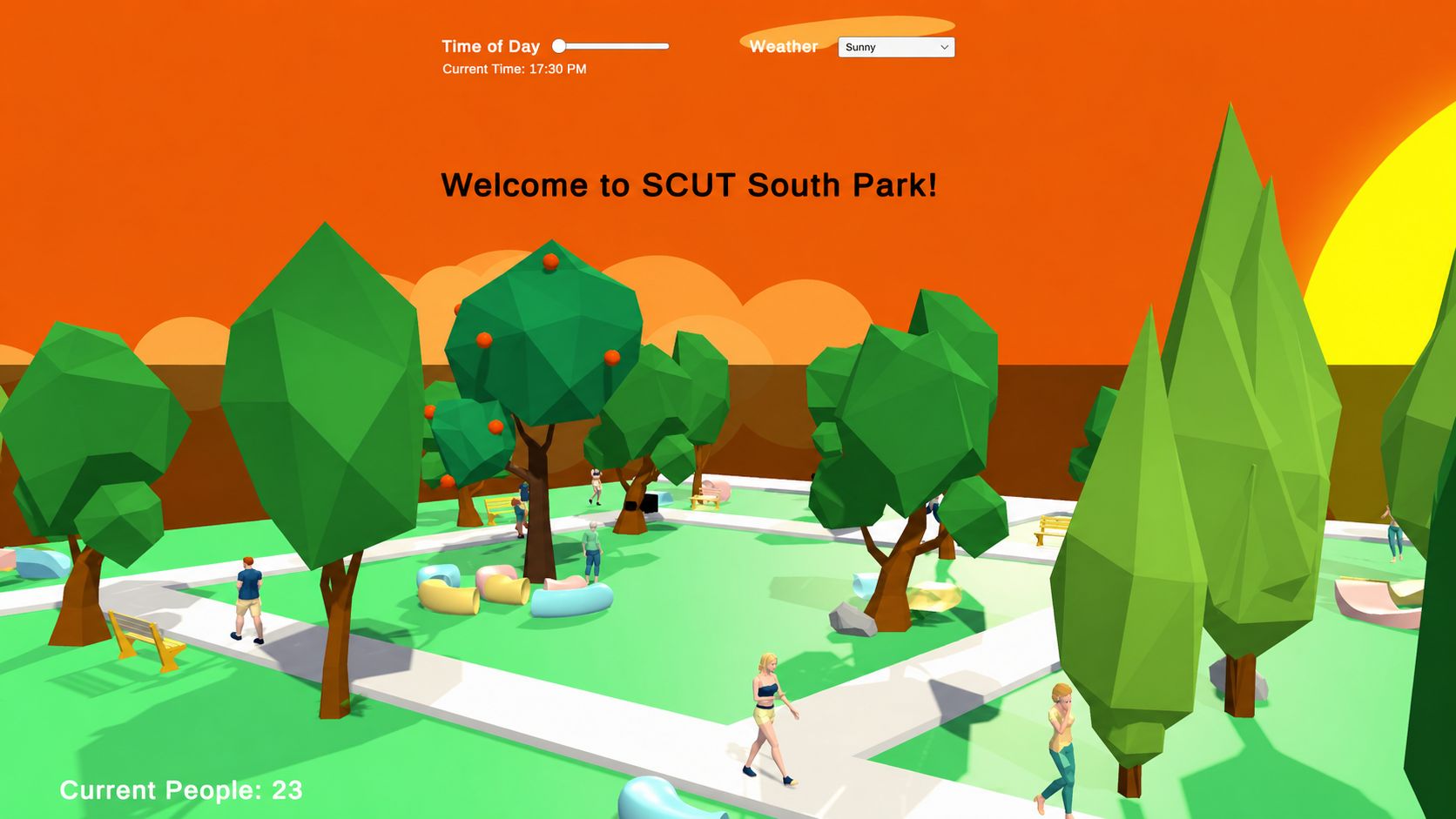
An online AR game was developed using Unity/WebGL, allowing community members to interact with a virtual version of the park. This platform gathered speculative input and simulated how people might respond to different spatial and interactive configurations.
The physical interventions were designed to subtly attract attention rather than demand it.
Lighting intensity, color changes, and motion-based feedback were used to signal activity and invite participation. By observing how people approached, paused, or stayed within the space, the system tested how interactive cues influence behavior in public environments.
The AR game complemented on-site interaction by extending participation beyond physical presence.
The system was deployed and tested across different times of day.
Key observations included:
- Increased dwell time during evening hours
- Higher engagement near illuminated and responsive seating
- Clear differences in usage patterns before and after intervention
These findings suggest that small, data-informed interventions can meaningfully alter how people experience and use micro public spaces.
The project resulted in:
- A modular, sensor-enabled street furniture system
- A data-driven workflow linking sensing to design decisions
- An interactive AR platform for community participation
Interactive Pocket Parks demonstrates how urban interaction design can operate at a human scale while remaining adaptable and scalable.
This project strengthened my interest in cities as responsive systems rather than static environments.
Working across data analysis, physical prototyping, and digital interaction highlighted the importance of closing the feedback loop between observation, intervention, and evaluation. The experience reinforced the potential of urban interaction design as a tool for inclusive and incremental urban transformation.