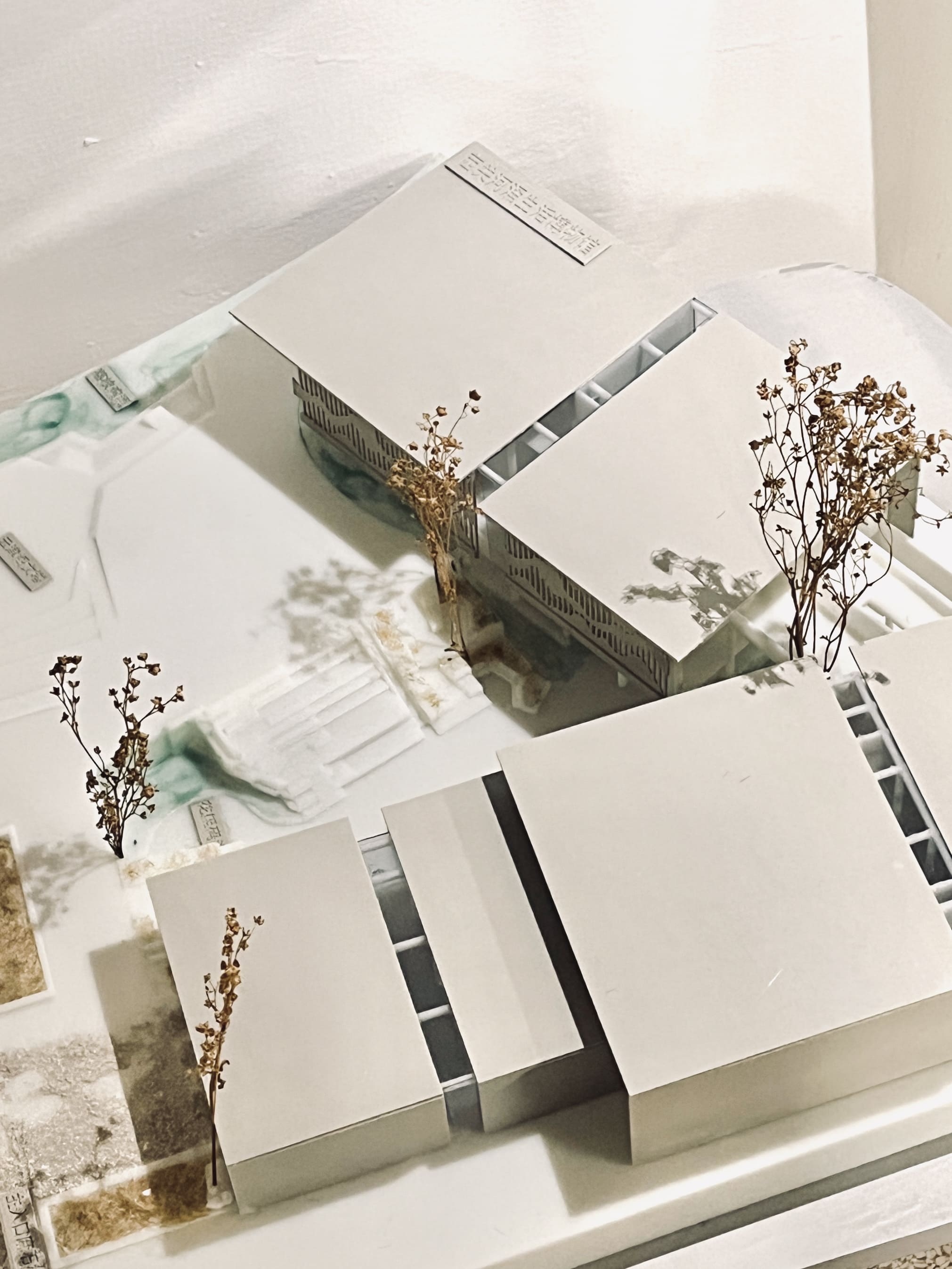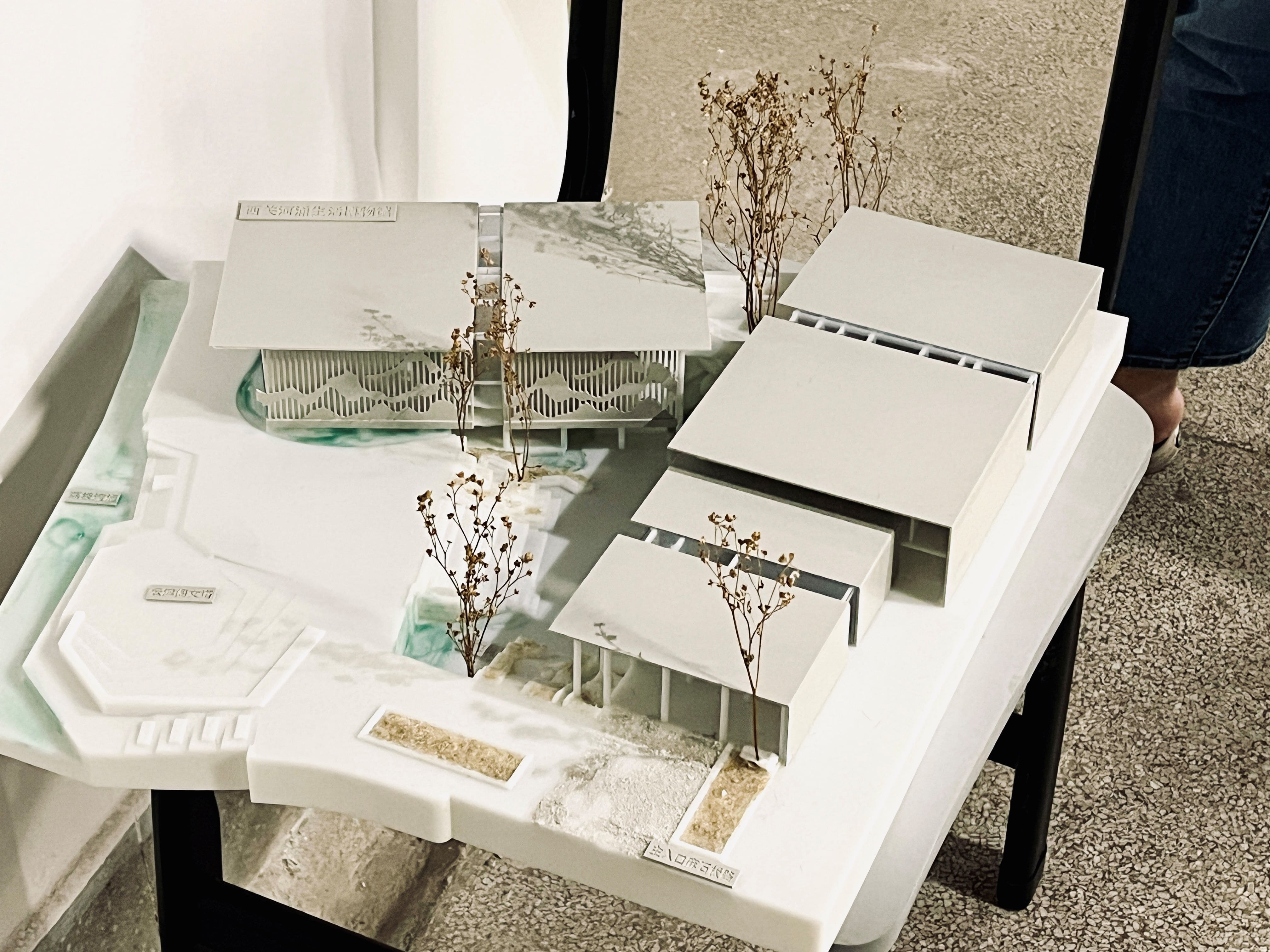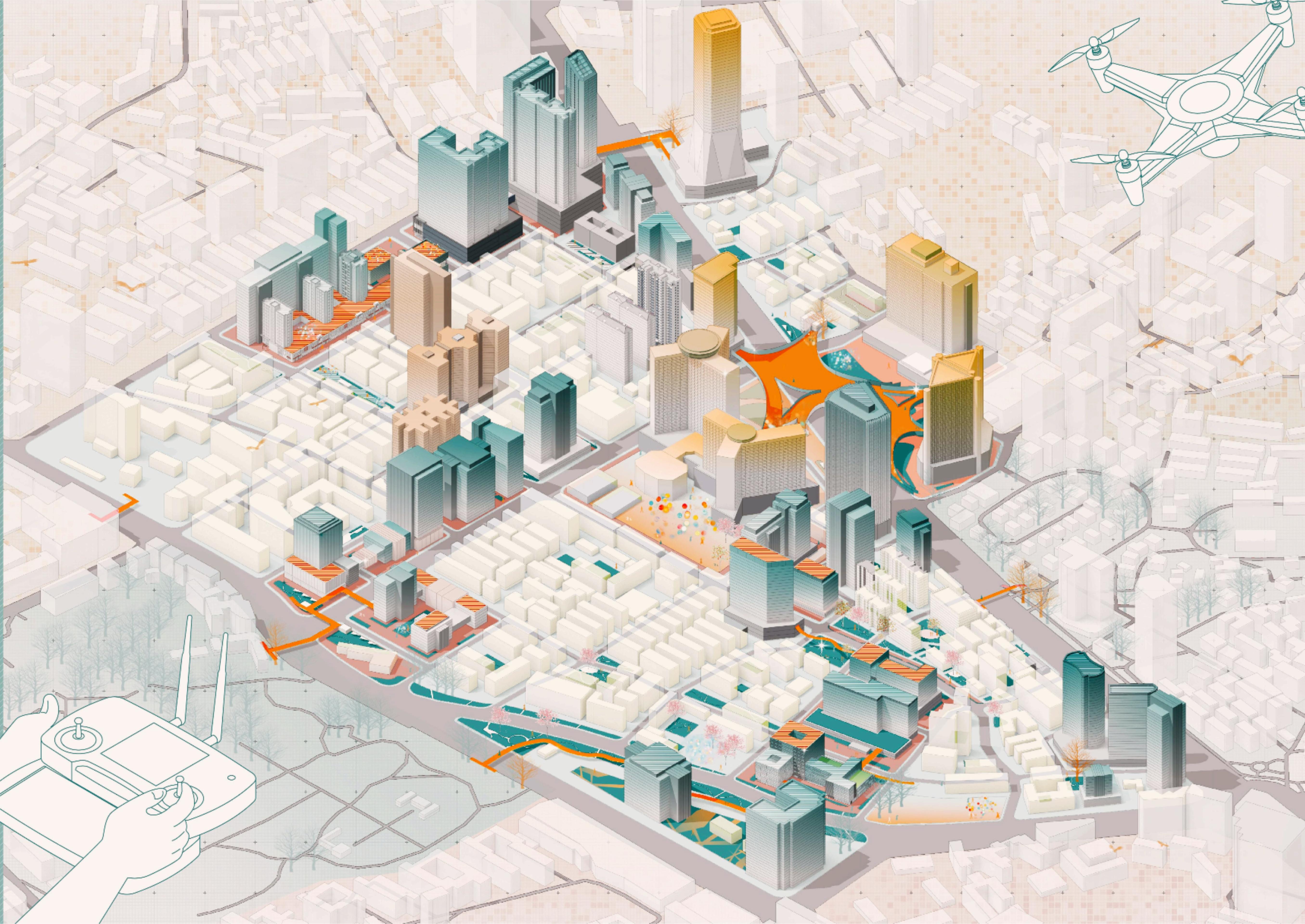


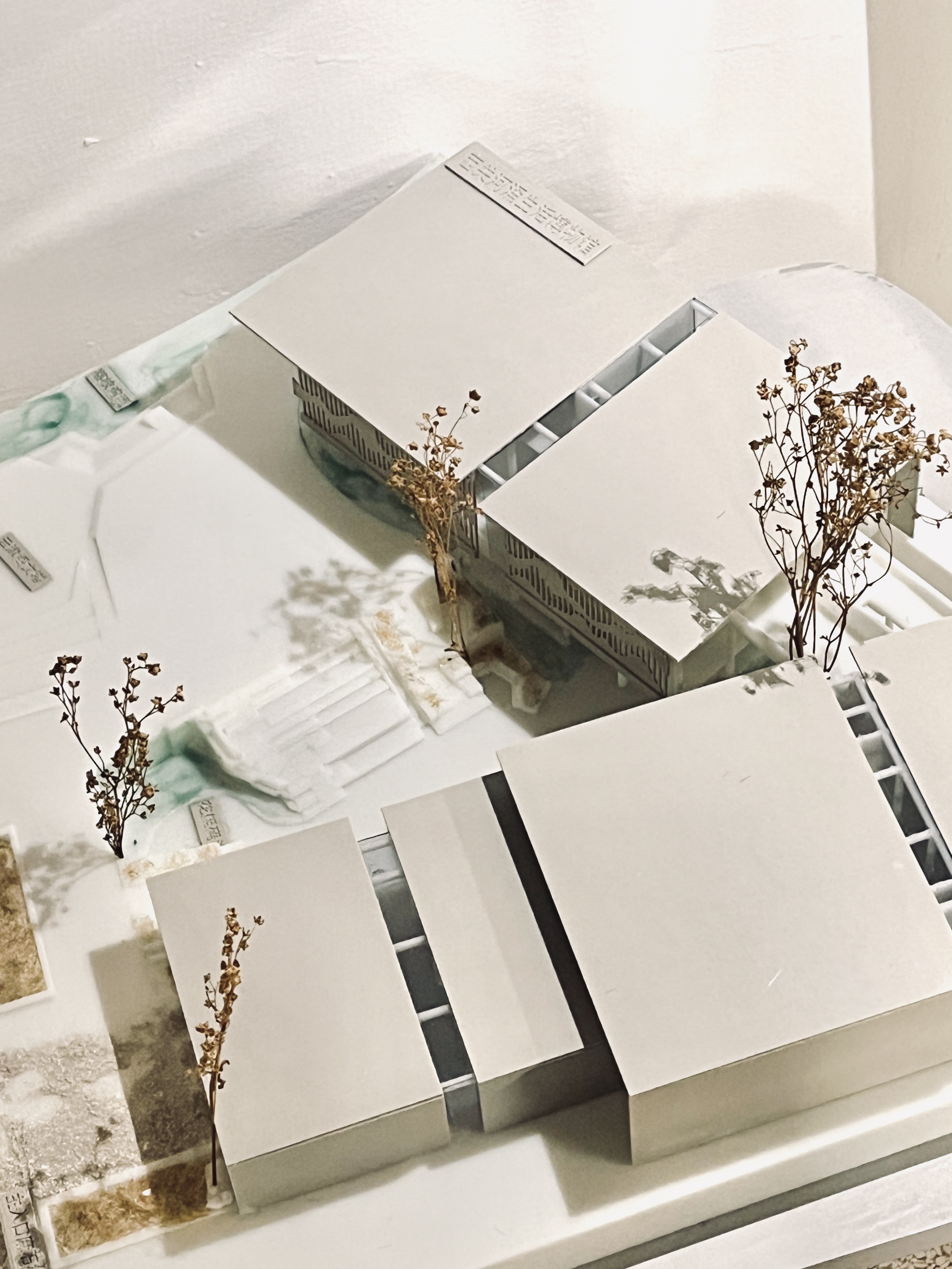
River Life Museum in Xiguan is an architectural project that explores how buildings can preserve and reinterpret urban memory through space.
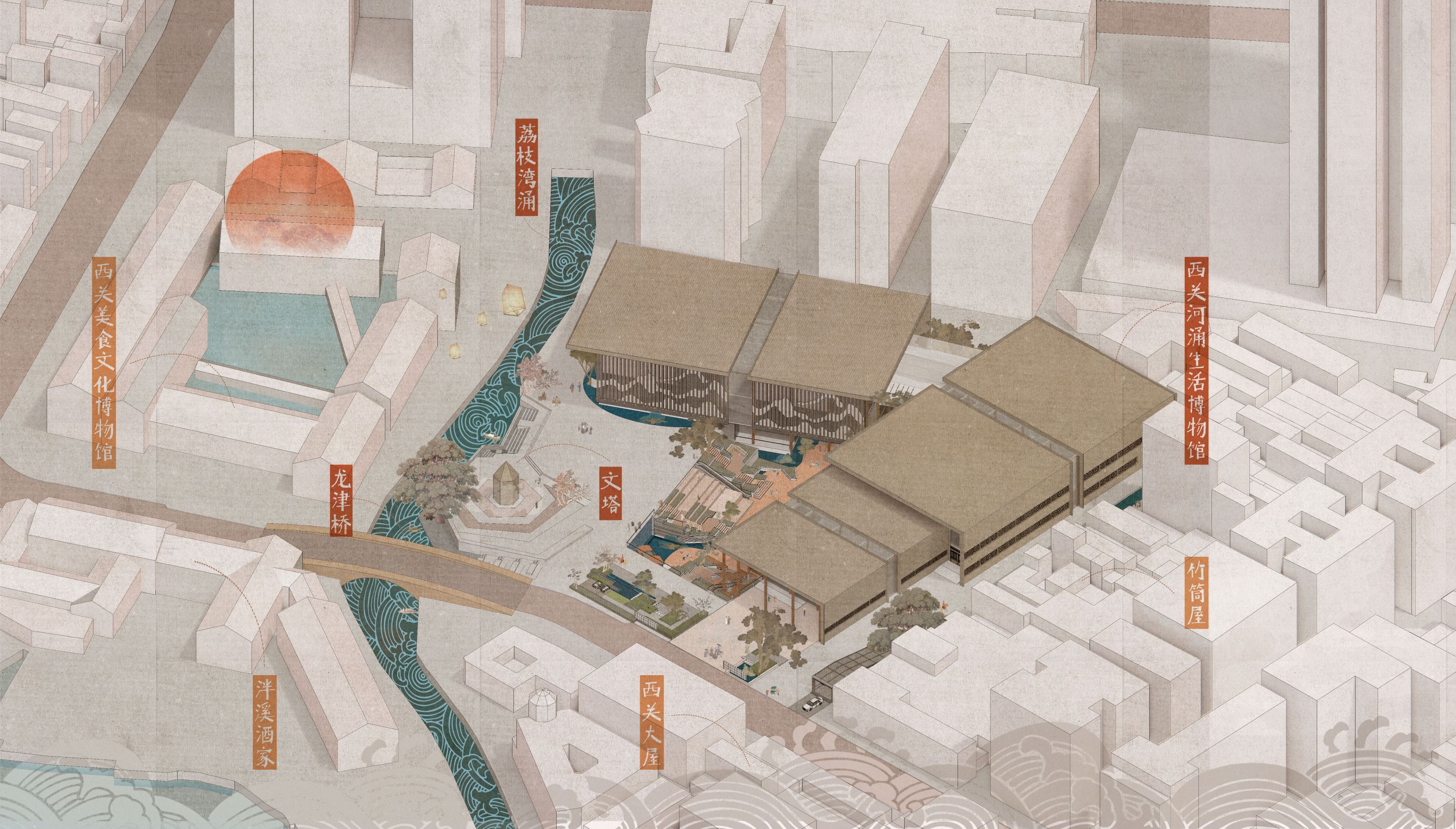

Located beside Liwanchong in Guangzhou, the museum responds to the city’s historical canal system, which once shaped everyday life but was gradually covered and marginalized during rapid urbanization. The project seeks to reconnect people with this lost riverside culture and reintroduce water as a central element of public life.
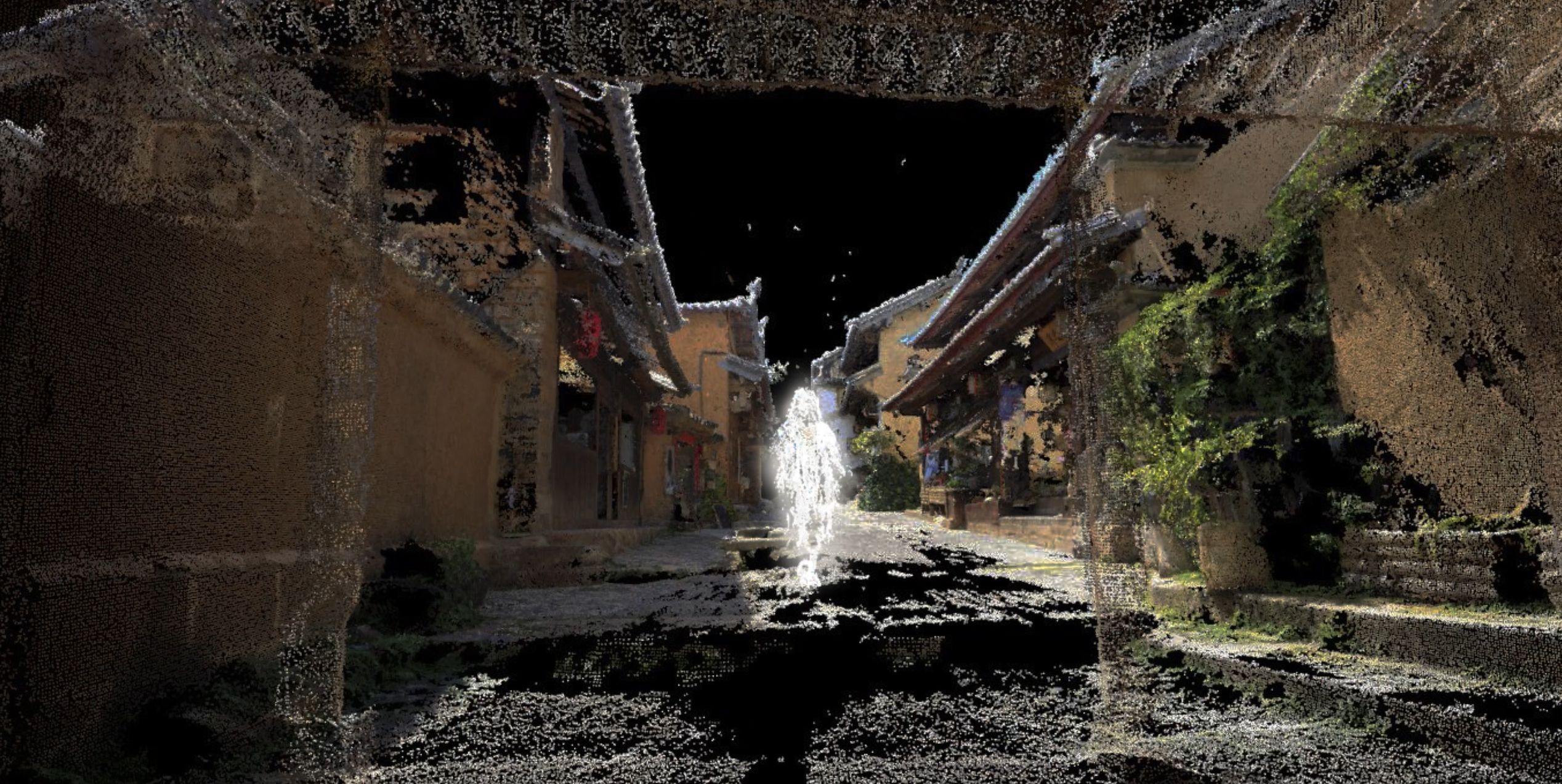
“He Chong,” or river canals, form the lifeblood of Guangzhou’s traditional urban network. These waterways supported commerce, social interaction, and daily routines for generations, becoming an inseparable part of the city’s cultural identity.
As many canals were buried or neglected in the name of modernization, the physical presence of water disappeared from everyday urban experience. Recent efforts to uncover and restore these waterways prompted a renewed interest in their cultural and social significance.
The River Life Museum is conceived as a spatial narrative of riverside life.
Rather than functioning solely as an exhibition container, the building acts as a cultural interface between:
- Past and present
- Tourists and local Xiguan residents
- Architecture and water
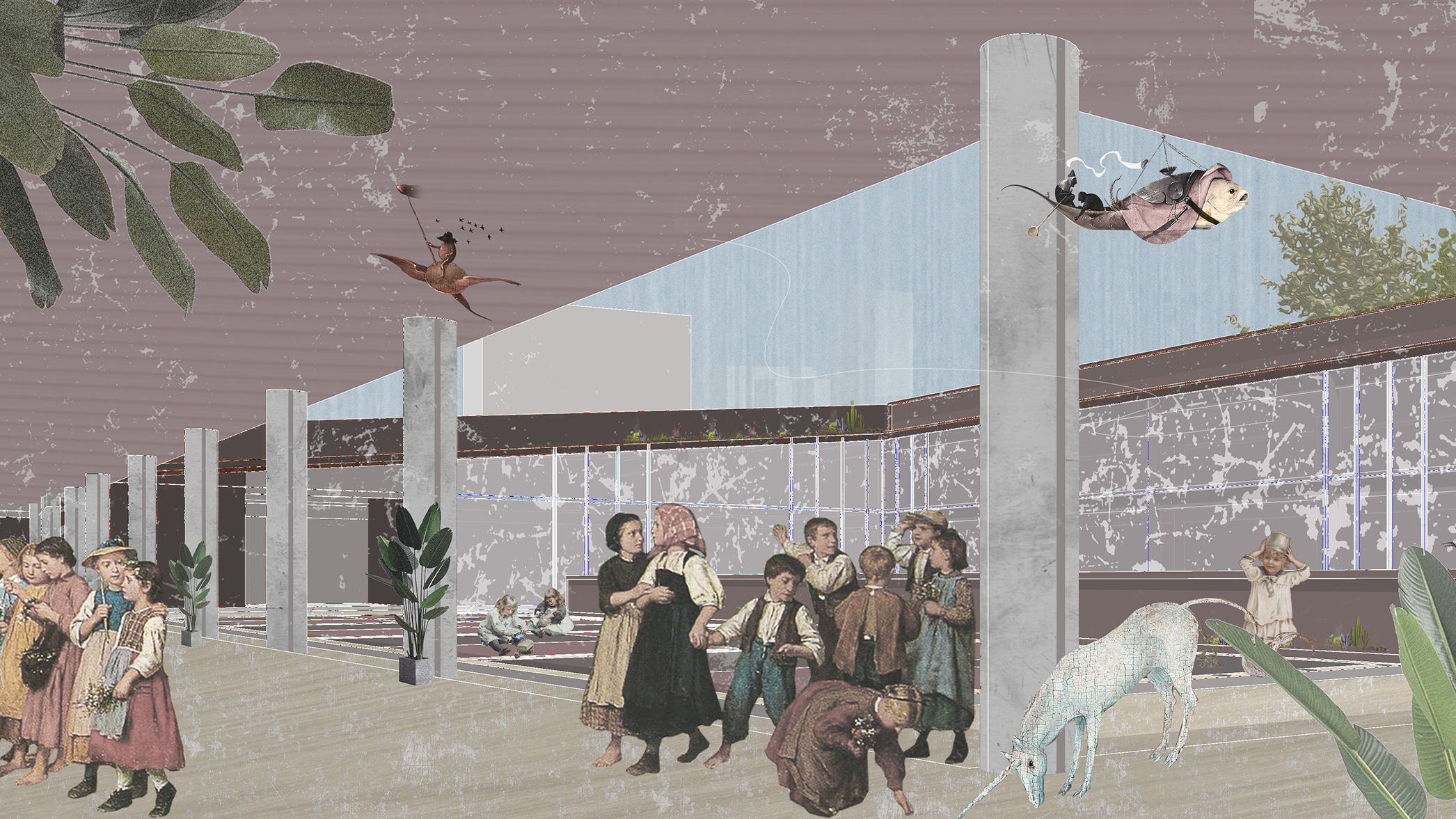

Through a sequence of courtyards, platforms, and interior exhibition spaces, the museum recalls the rhythms of traditional riverside living while accommodating contemporary public use.
The architectural layout emphasizes continuity and openness.
Key strategies include:
- Aligning circulation paths with the historical river flow
- Creating layered public and semi-public spaces along the water
- Using open courtyards and transitional spaces to blur interior and exterior boundaries
These elements allow visitors to experience the museum not only through exhibits, but also through movement, light, and proximity to water.
Material selection and spatial composition draw inspiration from traditional Lingnan architecture while maintaining a restrained contemporary expression.
Shaded walkways, filtered daylight, and controlled views toward the canal create an environment that encourages slow movement and reflection. The architecture supports both individual contemplation and collective gathering, reinforcing its role as a cultural hub.
The project proposes:
- A museum that preserves intangible cultural memory through spatial design
- A public building that reconnects architecture with the city’s water system
- A framework for integrating cultural heritage into contemporary urban life
River Life Museum demonstrates how architecture can function as both a physical structure and a vessel for collective memory.
This project deepened my understanding of architecture as a medium for storytelling.
Designing around water, history, and community reinforced the importance of place-specific narratives—an approach that continues to influence my later work in urban-scale and interaction-oriented design.